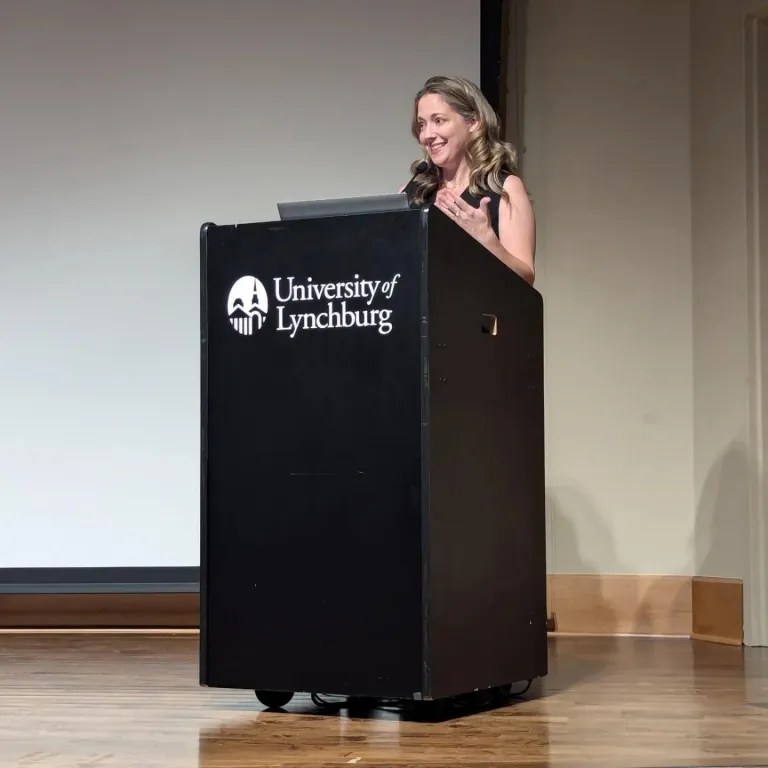
Thornton Reading Explores Rural Politics and Power
The Critograph | By Ellie Simmers
““Let me tell you, she will draw blood,” Dr. Kelly Ann Jacobson said, highlighting the tenacity and power in Melissa Scholes-Young’s writing. Featured as part of the fall semester’s Thornton Readings, sponsored by The Thornton Endowment, Scholes-Young is the author of two acclaimed novels, The Flood and The Hive. ”

Missouri-Born Writer Explores Sisterhood, Survival And Political Divides In Her New Novel
KSMU | By KSMU
“The Fehler family isn’t quite a fictionalized version of the family Melissa Scholes Young grew up in. But like the Fehlers, her family ran a fourth-generation pest control business.”

Doomsday Prepping Goes Mainstream
1A | By NPR
“Doomsday prepping is no longer a fringe obsession. The survivalist movement, which was long stereotyped as made up of gun-wielding, right-wing older white men, is evolving.”
Melissa Scholes Young Is Creating Buzz With The Hive
Washington City Paper | By Hannah Grieco
“D.C. is waking up after a long pandemic year, cautiously but surely, and local writers are eager to connect—both with each other and with their readers, who they’ve often struggled to reach during such an isolating time.”

For Melissa Scholes Young, Writing About Small-Town Missouri Is A Path To Empathy
St. Louis on the Air | By Sarah Fenske
“Melissa Scholes Young’s new novel, her second, focuses on a family-run pest control business in small-town Missouri. Young knows of what she writes: She was raised in small-town Missouri — by a family that ran a pest control business.”

The Ms. Q&A: Melissa Scholes Young on Feminism Rising from Rural Roots
Ms. Magazine | By Corinne Ahrens
“In politics, academia, pop culture and the arts, a very narrow image of rural America has been carelessly constructed and blindly reused to the point of sweeping generalizations overshadowing reality. We often see rural characters on the screen (think: films like Deliverance or The Texas Chainsaw Massacre series, as well as shows like Buckwild and Here Comes Honey Boo Boo) and on the page who are backwards: racist, homophobic, misogynistic, uneducated, uncultured, violent and even inbred—perpetuating the idea that everyone in rural communities must be some combination of those stereotypes.”
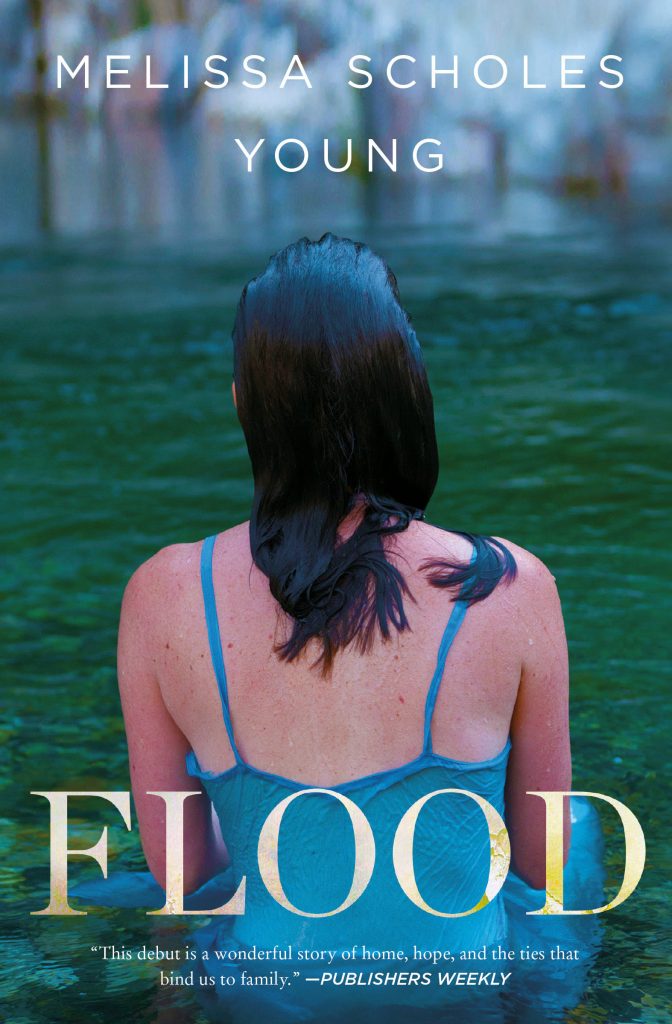
Book Review
Mark Twain Forum| By Kevin Mac Donnell
“T. S. Eliot said of Mark Twain’s writing of Huckleberry Finn that the book would give readers what each reader was capable of taking from it, and that Twain may have written a much better book than he realized. Eliot was not excusing Mark Twain: What Eliot wrote is what genuine wisdom looks like on the printed page. The same could be said of Melissa Young and Flood. It’s not a masterpiece like Twain’s work, but it’s much larger than its story of Laura and her Hannibal. What readers are given by this story will depend on what readers bring with them to the reading of it. Flood reflects America’s rural-urban divide, racism, empty-headed faith, willful ignorance, wheel-spinning, and marveling at distracting fireworks instead of the vast universe looming behind them. It’s more than a hillbilly elegy.”

Debut Novel ‘Flood’ Set In Mark Twain’s Hometown
The State of Things | By Frank Stasio
“Host Frank Stasio speaks with Scholes Young about crafting parallels between Twain’s stories and her own narrative fiction. They also discuss her research into the Mississippi River’s unpredictable flow patterns.”

Twain Was Here: Melissa Scholes Young Publishes Debut Novel
AU Literature | By Gregg Sangillo
“Melissa Scholes Young grew up in Hannibal, Missouri. If Hannibal doesn’t ring a bell for those outside the Show Me State, it was the boyhood hometown of Mark Twain. The presence of Twain—fabled storyteller, fountain of wit, American icon—still permeates this 18,000-person Midwestern town.”
 Melissa Scholes Young